



Shepherd Outsourcing opened its doors in 2021, and has been providing great services to the ARM industry ever since.
About
Address
©2024 by Shepherd Outsourcing.
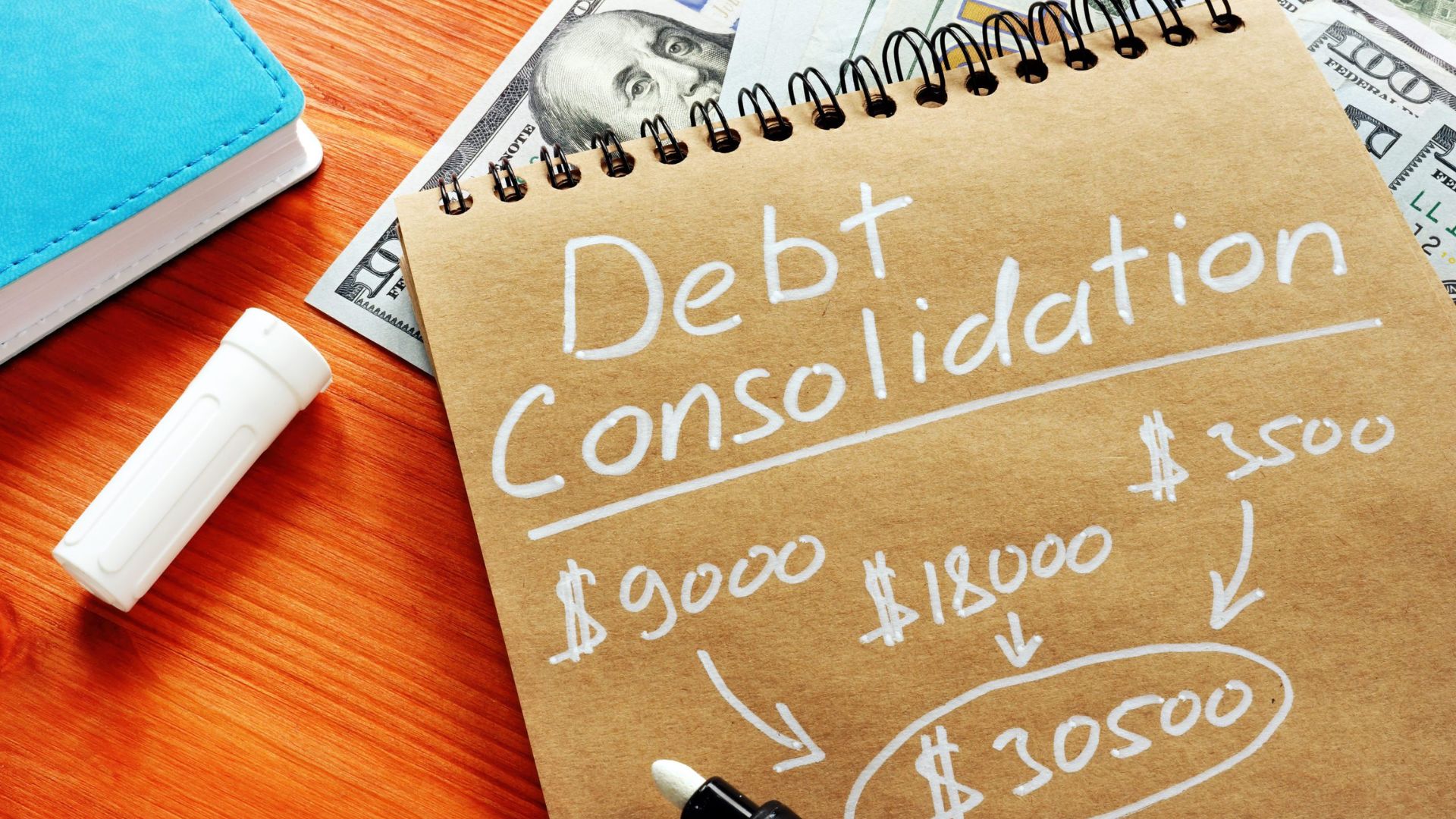
Managing multiple debts can be a challenging task. Monthly payments pile up, interest rates climb, and it can feel impossible to see a clear path forward. In fact, as of 2025, the typical U.S. adult carries roughly $18.6 trillion in total debt, making it difficult for many to stay on top of their obligations. This stress can impact daily life and long-term financial goals, leaving debtors feeling stuck.
Debt consolidation offers a way to regain control and simplify your finances. By combining multiple debts into a single plan, it becomes easier to manage payments, reduce interest, and plan for the future. With the right approach, consolidation can prevent unnecessary credit damage and provide a structured path to financial stability, allowing you to focus on rebuilding your finances.
This blog explores the impact of debt consolidation on your credit, the different consolidation options, and practical steps to protect your score while using consolidation to your advantage.
Debt consolidation is the process of combining multiple debts into a single loan or repayment plan. Instead of juggling multiple balances and due dates, you end up with one loan or payment plan that covers all or most of your debts. This often results in a lower interest rate or extended repayment terms.
Consolidation can take various forms, including personal loans, balance transfer arrangements, or formal debt management plans. The main goal is to reduce complexity and make repayments easier to manage and less stressful.
Also Read: How Debt Collection Agencies Report to Credit Bureaus
There are several methods for consolidating debt, each with its own effects on credit scores. Understanding how each method works helps you choose the one that best aligns with your financial situation.
Personal loans let you combine multiple debts into a single fixed-rate loan with predictable monthly payments. They work well for borrowers with steady income who want one manageable obligation.
Impact on credit score:
Balance transfer loans involve moving debt from one or more accounts to a new loan or line of credit, usually with a lower interest rate. This method helps reduce interest costs and simplify payments.
Impact on credit score:
Debt management plans are structured programs offered by financial counseling services. They consolidate multiple payments into a single monthly payment, often with negotiated terms from creditors.
Impact on credit score:
Choosing the right method depends on your financial situation, credit goals, and the type of debts you want to manage.
Debt consolidation can influence your credit in several ways, especially if not planned carefully. Understanding these potential impacts helps you manage your finances and minimize negative impacts.
When you apply for a consolidation loan or credit line, lenders perform a hard inquiry. This is one of the most common short-term impacts on your score.
Careful planning ensures this temporary dip doesn’t derail your consolidation strategy or long-term credit goals.
Debt consolidation can modify the types of accounts listed on your credit report, which may influence how lenders evaluate your creditworthiness.
These adjustments are usually minor and temporary, as long as you continue managing all accounts responsibly.
Consolidating debts often involves closing individual accounts once they are paid off. This can affect credit score factors linked to your account history.
Maintaining responsible repayment ensures this temporary effect doesn’t slow your long-term credit improvement.
After consolidation, the new account may carry a higher balance, which can affect your credit utilization ratio.
Even though utilization may spike initially, disciplined repayment and careful management will help your score recover and improve steadily.
While these impacts are often temporary, knowing what to expect allows you to take proactive steps to mitigate them.
Also Read: Refinancing or Student Debt Consolidation: Which One Fits Your Financial Plan?
After consolidating debt, following certain habits and strategies can help safeguard your credit score and maximize the benefits.
Here are some effective tips:
Remember, staying consistent and informed improves the chances that consolidation helps rather than hurts your credit over the long run.

Selecting the most suitable debt consolidation approach depends entirely on your financial goals and current circumstances.
Key factors include:
A thorough review of your situation ensures you make a choice that strengthens your credit health while simplifying debt management.
Shepherd Outsourcing assists clients by negotiating with creditors, designing debt management plans, and offering expert guidance throughout the consolidation process.
Here’s how we can assist you:
By offering these comprehensive services, Shepherd Outsourcing ensures your debt consolidation process is structured, effective, and tailored to your financial needs.
Debt consolidation can cause minor, short-term dips in your credit score due to new inquiries, account closures, or changes in credit utilization. However, when handled responsibly, consolidation can simplify repayment, reduce financial stress, and support long-term credit health.
Monitoring your spending habits, selecting the right consolidation method, and committing to disciplined repayment can make a meaningful difference. Consulting professionals like Shepherd Outsourcing can help you navigate the process with personalized debt management plans, creditor negotiation, and ongoing financial guidance.
If you want help designing a debt‑reduction plan tailored to your situation, contact us today.
Yes, applying for a debt consolidation loan typically triggers a hard credit inquiry. This may cause a slight, temporary dip in your credit score. However, if managed responsibly, the long-term benefits of consolidating debt usually outweigh the initial impact.
Debt consolidation can lower your credit utilization by paying off high-interest credit cards and reducing outstanding balances. A lower utilization ratio positively influences your credit score, as it shows you’re using a smaller portion of available credit relative to your total credit limits.
Closing old accounts can slightly reduce your score because it lowers your total available credit and may shorten your credit history. Keeping older accounts open can help maintain both your utilization ratio and your credit age, reducing any potential negative effects.
Debt consolidation typically appears on your credit report within 30–60 days of account closure or loan approval. Positive effects, like improved payment history and reduced utilization, may take several months to reflect in your credit score, depending on reporting cycles.
Debt consolidation rolls several debts into one new loan, maintaining repayment responsibility, which generally has a milder, short-term effect on credit. Debt settlement or bankruptcy can significantly damage your credit score and remain on your report for years, affecting future lending options more severely.
©2024 by Shepherd Outsourcing.