



Shepherd Outsourcing opened its doors in 2021, and has been providing great services to the ARM industry ever since.
About
Address
©2024 by Shepherd Outsourcing.

Balancing outstanding debts while trying to keep daily operations smooth can feel like a constant challenge. Each payment you miss, or interest that continues to grow, adds pressure and uncertainty, especially when you are responsible for both personal and business obligations. Nearly 39% of employer firms reported carrying over USD 100,000 in outstanding debt in 2024, showing how common these challenges are.
A debt management plan offers a clear, structured approach to handling these financial pressures. It helps you repay what you owe in a manageable way while keeping your credit under control. By understanding how a DMP affects your credit, you can take steps that support long-term financial stability and make informed choices to strengthen your borrowing power over time.
This blog explores how DMPs impact credit, the mechanics behind credit reporting, and strategies to minimize any negative effects.
A debt management plan is a structured repayment program designed to help individuals and businesses manage unsecured debts through a single, consolidated payment.
Here’s how it works:
This simplified structure reduces financial pressure while helping you work steadily toward becoming debt-free.
Also Read: Ultimate Guide To Technical Debt Management: Strategies and Tips
Debt Management Plans offer several advantages beyond repayment convenience.
Key benefits include:
These benefits highlight that a DMP is not merely a repayment strategy but a comprehensive approach to financial recovery.
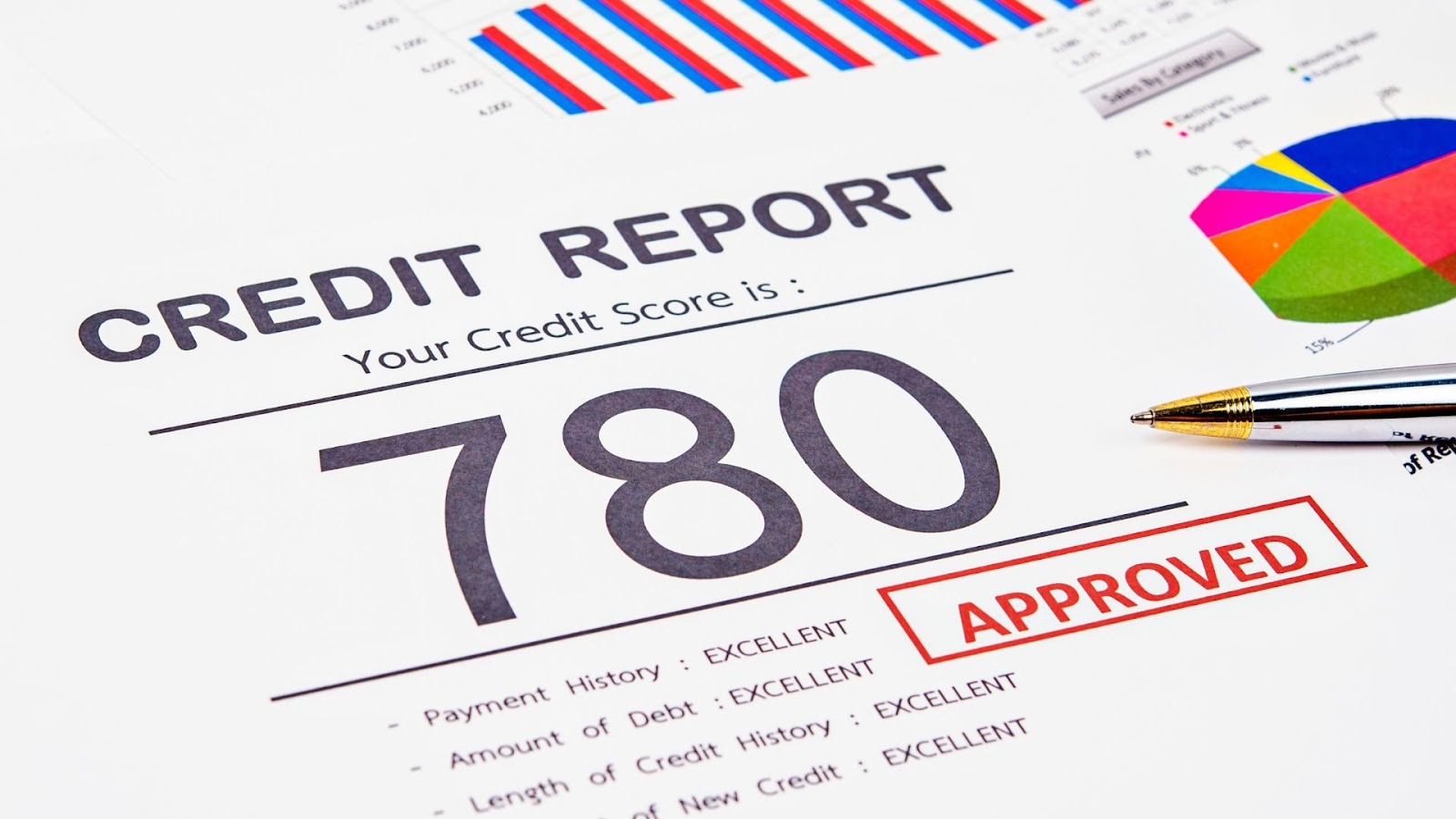
In most cases, enrolling in a DMP does not directly hurt your credit score. The impact is generally temporary and often less severe than borrowers anticipate.
Temporary dips may occur due to:
When you join DMP, some creditors choose to close or suspend accounts to prevent new charges while you work through repayment. This is a standard part of structured debt repayment and not a penalty. The change can temporarily shift the way your credit profile is calculated, especially if those accounts have a long credit history.
Impact on credit:
A DMP can influence your utilization ratio if creditors modify or freeze balances as part of the plan. Since utilization is a major credit factor, any shifts, especially reductions in available credit, can briefly move your score up or down.
Impact on credit:
Credit bureaus may include a note stating that you are participating in a DMP. This notation is informational, not negative. It reflects a proactive step toward repayment and helps future lenders understand your structured financial plan.
Impact on credit:
Many borrowers join a DMP after experiencing missed or late payments. These past delinquencies remain on the report even after enrollment. They are often mistaken for DMP-related credit damage, creating confusion about what is actually affecting the score.
Impact on credit:
Some creditors or agencies conduct a soft or hard inquiry when you begin a DMP. Hard inquiries can cause a small and temporary score change, but this effect fades quickly.
Impact on credit:
Overall, many borrowers see a short-term dip following enrollment, but given discipline and time, a DMP often becomes a path to healthier credit.
Also Read: Tailored Financial Solutions: How Custom Plans Can Help You Overcome Debt and Secure Your Future
Credit scores are built using a combination of factors. Here’s how a DMP tends to influence each key component:
Payment history is the most significant factor in your credit score, reflecting your consistency in repaying debts on time. A DMP shows creditors that you are committed to resolving outstanding debts responsibly.
Impact on credit:
Credit utilization measures the proportion of your available credit that you are using. Participating in a DMP may alter this ratio due to account adjustments or closures.
Impact on credit:
The age of your credit accounts reflects stability and experience in managing debt. DMP participation may involve account adjustments that can slightly alter this metric.
Impact on credit:
Credit mix refers to the variety of credit types you hold, such as installment loans or lines of credit. While a DMP focuses on specific debts, the overall mix can shift slightly.
Impact on credit:
New credit inquiries are triggered when you apply for loans or credit lines. A DMP itself does not create new inquiries, which can help protect your score.
Impact on credit:
Participants who understand these nuances can better manage expectations and focus on long-term benefits rather than short-term fluctuations.

Even though a DMP generally supports credit health, borrowers can take additional steps to minimize any temporary impact.
By following these practices, you give yourself the best chance of emerging from the DMP with a stronger credit profile than when you started.
Shepherd Outsourcing provides end-to-end support for managing debt responsibly and improving long-term financial health. Their services are designed to simplify repayment, ensure compliance, and guide clients toward sustainable financial habits.
Here’s how we can assist you:
By combining these services, Shepherd Outsourcing helps clients minimize temporary credit impacts while building a strong foundation for future financial success.
Enrolling in a Debt Management Plan may lead to short-term changes in your credit report, but these are typically minor and temporary. When approached responsibly, a DMP supports long-term credit health by promoting structured repayment, reducing financial stress, and demonstrating commitment to creditors.
Evaluating your financial goals before enrolling ensures that the plan aligns with your future borrowing needs. For individuals and businesses seeking expert assistance, Shepherd Outsourcing offers tailored solutions that simplify debt management, protect your credit, and guide you toward financial stability.
Reach out to us today to explore how a DMP can fit into your financial strategy and help restore your financial stability.
A debt management plan (DMP) can remain on your credit report for up to 7 years, depending on reporting practices. While it may initially lower your score slightly, consistent payments under the DMP can gradually improve your credit health over time.
No, a properly managed DMP doesn’t automatically report late payments. However, if you miss payments to your credit counseling agency or fail to follow the plan, your creditors might mark those as late, potentially impacting your credit score.
Yes, a DMP can influence your loan eligibility. Lenders may view it as a sign of past financial difficulty. However, showing consistent, on-time DMP payments can demonstrate financial responsibility and may mitigate concerns over time.
Having multiple DMPs can suggest ongoing financial struggles and may further lower your credit score. Each new plan can appear as a fresh financial obligation, signaling higher risk to lenders, so it’s best to consolidate debts into a single manageable plan.
Absolutely, a certified credit counselor can assess your financial situation, recommend the most suitable DMP, and guide you on managing debts effectively. Consulting an expert helps avoid pitfalls and ensures your plan aligns with long-term credit improvement goals.
©2024 by Shepherd Outsourcing.