



Shepherd Outsourcing opened its doors in 2021, and has been providing great services to the ARM industry ever since.
About
Address
©2024 by Shepherd Outsourcing.

Many individuals who complete a debt management program fall back into debt, not because they are careless, but because the guardrails that kept them disciplined are no longer in place.
If you’ve just cleared your balance, it’s normal to feel both relief and uncertainty. Monthly obligations end, oversight disappears, and every financial decision is suddenly yours. One misstep can trigger the debt cycle again, which can feel overwhelming after years of structured repayment.
But there is an opportunity. The money once devoted to debt payments can now be redirected to strengthen savings, rebuild credit, and support long-term financial stability.
This guide shows exactly how to live your life after a debt management plan, protect your progress, and avoid repeating old mistakes.
Completing a DMP is a significant milestone. Your final payment not only closes the program but also triggers several financial and credit updates that determine your next step forward. Most people expect life after a DMP to feel instantly easier. In reality, your profile improves, but new responsibilities and temptations appear at the same time.
Here’s what shifts once the program ends:
Completion gives you momentum, but it doesn’t erase the habits or triggers that made debt difficult in the first place.
Also Read: Understanding the Debt Collection and Debt Recovery Process
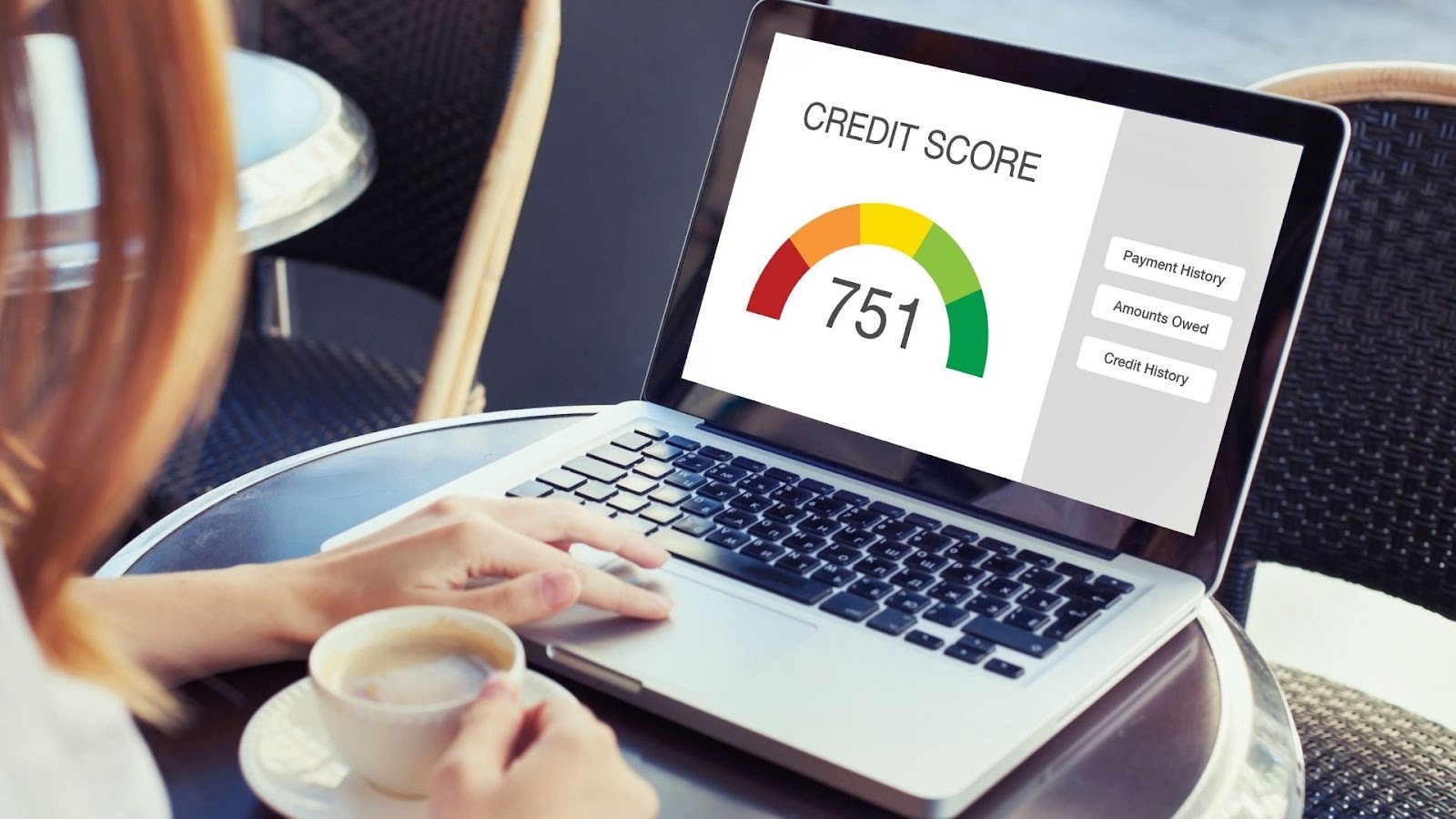
The first 12 months after finishing a DMP determine whether you stay debt-free or slide back into old patterns. What you do now is crucial, which is why we have compiled insightful tips to help you protect your progress and build long-term financial stability.
A clean credit report is the foundation of your rebuild. If outdated or incorrect negative items remain, they keep your score suppressed and send the wrong signal to lenders long after your DMP is done.
Your credit score improves when lenders see responsible use of active credit. Opening too many accounts at once has the opposite effect, increasing the temptation to overspend.
Even with perfect payments, high balances hurt your score. Staying below 30% of your limit protects your credit rating, and going below 10% accelerates score growth.
A higher cash flow margin means fewer surprises and fewer opportunities to fall back on credit. Even a moderate increase in income creates significant long-term protection.
Without an emergency cushion, financial progress collapses the moment a major expense hits. Building this fund ensures unexpected problems don’t turn into debt.
Also Read: How to Build an Emergency Fund and Avoid Debt in the Future
Lenders are watching for consistency. A year or more of perfect payments confirms you’ve permanently changed your financial habits, and it moves your score upward faster than any other action.
BNPL and payday lending look harmless when cash flow is thin, but they are designed to trigger dependency. Most people who use them end up with multiple overlapping debts that spiral quickly.
By following the tips above and with the right systems in place, you’ll feel the difference long before your credit score catches up.
Also Read: Why Are Debt Collectors Calling Me? Know Your Rights & Steps

Debt rarely returns overnight. It creeps back through a few small decisions that snowball over months. The patterns below are responsible for most post-DMP setbacks. When you know what to watch for, you stay ahead of trouble before it becomes a crisis.
When monthly DMP payments stop, many people treat the freed cash as extra spending money and instantly upgrade their housing, cars, or lifestyles. That rapid increase in fixed costs can erase the margin that protected them during the DMP and recreate vulnerability to shocks.
Closing accounts may feel like a clean break, but it can harm scores by shrinking total available credit and reducing the average age of accounts. Both effects can reduce creditworthiness and slow recovery. Closing long-standing accounts often backfires.
Reintroducing installment plans or new loans before creating a buffer makes one emergency enough to force reliance on credit again. This is a standard route back into problem debt.
If you already see multiple balances building again or repayment stress returning, that is the point to get help early rather than waiting for debt to reach crisis levels. We at Shepherd Outsourcing Collections support individuals who want creditor negotiation and structured repayment before debt becomes overwhelming again, helping prevent the cycle from restarting.
A DMP clears balances but does not automatically change behaviors or structural problems that caused the debt. Without addressing habits, income gaps, or risks of unexpected expenses, the same pressures will likely recur.
Reward purchases are understandable, but financing large celebrations soon after a DMP restarts the debt cycle. Small cash-funded treats are safer and still provide a reward without risk.
Mistakes happen when progress feels “safe.” That’s the danger period. Treat your financial reset as something to protect and not something to test.

The psychological impact of completing a DMP matters as much as the financial aspects. Years of financial stress don't vanish when your final payment clears.
Let’s look at how you can be prepared for life after a debt management plan.
The DMP provided external structure. Replace it with simple, weekly routines that automate good behavior and remove decision fatigue.
Implementation intentions are specific if-then plans that turn intentions into automatic responses. They reduce relapse in other domains and translate well to money habits.
Small environmental changes reduce impulsive spending and BNPL usage. Remove frictionless spending pathways and make delay the default.
Accountability reduces relapse risk. Peer groups, coaches, or a trusted partner increase follow-through and provide reality checks.
When your environment, routines, and identity align, staying in control of your finances becomes easier.
Life after a debt management plan is a critical transition; you either cement your progress or slide back. The following 12-18 months determine your financial trajectory for years to come.
The strategies in this guide protect your progress by addressing specific risk points where people commonly relapse. At Shepherd Outsourcing Collections, we've helped thousands navigate debt challenges through debt management services, tailored debt management plans, and creditor negotiation. We understand that paying off debt is just the beginning.
Our approach includes financial counseling and legal compliance support, preparing clients for life after debt resolution. Your DMP completion represents a significant achievement. Most enrollees don't finish. You did. Now take that same discipline and commitment and direct it toward building the financial future you want. The foundation is in place. What you build on it is up to you.
However, if managing life after your DMP becomes difficult and debt starts creeping back in, we are here to help you address the problem early. We can step in early, negotiate with creditors again, and help you regain control before it affects your peace of mind. Reach out to us when things turn gray.
After six years on a debt management plan, most enrolled debts are paid off, credit reports reflect completed accounts, and financial habits determine whether stability or new debt occurs.
Credit recovery after debt settlement typically takes 12 to 36 months. Responsible credit use, timely payments, and rebuilding savings accelerate improvement, but negative marks may remain up to seven years.
You can buy a house after a DMP, but mortgage approval depends on credit score, income stability, and recent payment history. Waiting 12 to 24 months improves eligibility.
Paying in full avoids credit damage and interest costs, while settling reduces balances faster but may temporarily lower your credit score and require tax consideration for forgiven amounts.
Unsecured debts, such as credit card or personal loan balances, may be discharged or forgiven through specific programs. Secured debts, taxes, and government-backed loans are typically enforceable and difficult to avoid.
©2024 by Shepherd Outsourcing.