



Shepherd Outsourcing opened its doors in 2021, and has been providing great services to the ARM industry ever since.
About
Address
©2024 by Shepherd Outsourcing.
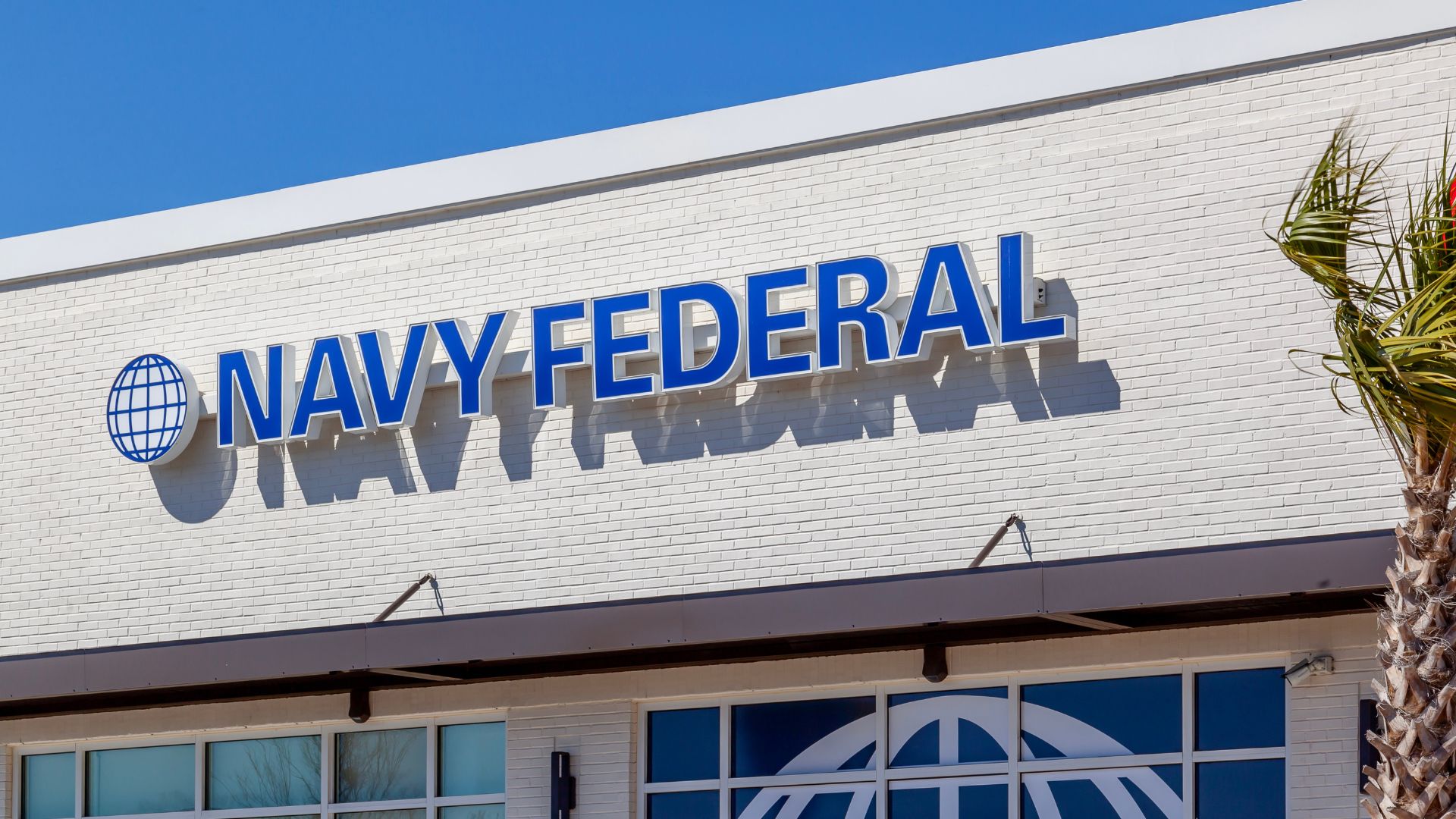
If you’re paying 20%, 25%, or more on personal loans each month, shifting that burden into one fixed-rate consolidation loan might sound like a lifeline. But does that deliver?
For many people, the answer is yes, because Navy Federal Credit Union offers personal and debt-consolidation loans with APRs ranging from 8.74% to 18.00%.
That’s often a significant improvement over typical credit-card rates, which means you could save hundreds of dollars over the life of the loan.
In addition to lower interest rates, the credit union supports consolidation with flexible loan terms, transparent costs, and access to financial counseling resources for members seeking to regain control of their finances.
In this post, we’ll break down how Navy Federal debt consolidation works, who it’s best suited for, and concrete strategies you can use to get real benefits.
Navy Federal Credit Union (NFCU) offers debt consolidation as a structured financial tool that helps borrowers simplify repayment and control interest costs.
Debt consolidation through Navy Federal involves obtaining a single loan to pay off several existing balances, such as unsecured personal loans, medical obligations, or payday loans.
Once approved, the new loan covers those balances, leaving the borrower with a single fixed payment schedule and interest rate.
This method minimizes the administrative burden of tracking several due dates and can lower overall interest expenses for eligible members.
Navy Federal’s consolidation loans are offered through its personal lending program, with unsecured and secured options available depending on creditworthiness and collateral availability. The process follows a straightforward structure:
Loan terms typically range from 12 to 60 months, and as of 2025, rates start around 8.74% APR
Membership eligibility is limited to individuals with a connection to U.S. military service. The qualifying categories include:
This membership-based structure ensures that consolidation products are tailored to financial patterns common among service-affiliated households.
Consider a borrower managing two unsecured debts—$8,000 at 21% APR and $5,000 at 19% APR. A consolidation loan at 8.74% APR could replace both balances with a single monthly payment.
The result is a reduction in total interest paid and a defined payoff timeline, assuming consistent on-time repayment.
Struggling with debt that feels impossible to manage alone? Shepherd Outsourcing Collections offers practical, results-based solutions. We negotiate with creditors, design repayment strategies tailored to your situation, and provide ongoing financial counseling to help you stay on track.
Also Read: Understanding Debt Collection and Enforcement Practices
Once the concept is clear, the next step is to see how the process works from application to repayment.
Debt consolidation with Navy Federal Credit Union (NFCU) follows a structured, transparent process. It’s designed to give borrowers a clear sequence from assessment to repayment without complex steps or additional third-party handling.
Each stage of the process is defined by measurable actions and eligibility criteria:
1. Assess Current Debt and Credit Standing
Borrowers begin by reviewing their total outstanding debt, including balances, interest rates, and credit utilization. Navy Federal evaluates the applicant’s credit profile to determine loan options and applicable APR.
2. Submit a Loan or Balance Transfer Application
The next step involves applying for a personal loan or balance transfer. Personal loans are used for unsecured debts such as medical bills or payday loans, while balance transfers are suitable for consolidating existing credit card balances.
3. Approval and Creditor Payment
Once approved, Navy Federal either transfers funds to the borrower’s account or pays creditors directly, depending on the loan type. This removes multiple open balances and consolidates them into a single active loan.
4. Repayment and Account Management
The borrower makes a single monthly payment to Navy Federal at a fixed interest rate for the duration of the loan term. Payments can be managed through the Navy Federal digital banking platform, offering tracking, auto-pay setup, and early payoff options.
Navy Federal provides several options for debt consolidation depending on collateral and creditworthiness:
Also Read: Can Debt Collectors Garnish Your Tax Refund?
Not every borrower benefits equally from consolidation, so evaluating where Navy Federal fits among available options is essential.

Selecting a debt consolidation provider depends on credit profile, debt structure, and repayment goals. Navy Federal suits members with steady income, reasonable credit standing, and eligibility under military-related membership criteria.
Before reviewing alternatives, it helps to understand where Navy Federal stands out and where its limitations apply.
Note:
Also Read: Rights and Advice on Debt Collector Home Visits
When you use a consolidation loan from Navy Federal Credit Union (NFCU), you still need a plan to make the lower-rate loan pay off. These strategies can improve your chances of success and help you rebuild financial stability.
Once your debts are consolidated into a single NFCU loan, consider pairing it with these practices:
A borrower consolidates $15,000 in unsecured debt into a Navy Federal personal loan at 8.74% APR over 48 months.
Avoiding new credit card balances keeps credit utilization below 30%, a threshold linked to stronger FICO performance. This prevents revolving debt from offsetting the progress made through consolidation.
Furthermore, even strong financial tools have limits, and recognizing potential challenges upfront helps prevent setbacks later.

Debt consolidation can simplify repayment, but it comes with practical constraints that borrowers should evaluate before committing.
Only military members, veterans, and eligible family members can apply. Individuals outside these groups must seek alternatives, which narrows accessibility compared with national lenders.
While advertised rates start at 8.74% APR, borrowers with weaker credit may receive rates near the upper limit of 18%. The actual savings depend entirely on credit strength, debt composition, and income stability—factors that can reduce the expected benefit.
Navy Federal’s consolidation program primarily targets unsecured debts. It doesn’t address secured obligations such as auto or business loans, nor does it typically cover delinquent or charged-off accounts requiring negotiation or settlement.
Opting for longer loan terms to lower monthly payments can increase total interest paid over time. Borrowers focusing only on short-term affordability may unintentionally raise their long-term repayment costs.
Without strict budget discipline, borrowers can accumulate new debt after consolidation. The availability of cleared credit lines can lead to repeated borrowing, negating progress and increasing overall exposure.
Navy Federal’s debt consolidation is a structural tool, not a cure. Its advantage lies in replacing scattered high-interest debt with a fixed, measurable plan, but its success depends on disciplined repayment, credit stability, and cost awareness.
When debt pressures begin to affect stability and decision-making, expert intervention makes all the difference. Shepherd Outsourcing Collections specializes in structured debt resolution, backed by legal compliance and creditor-negotiation experience.
We create data-informed management plans that reduce financial stress and restore long-term balance.
Get in touch with Shepherd Outsourcing Collections to begin building a sustainable path to recovery.
A: A temporary score dip may occur from the hard credit inquiry, but consistent repayment strengthens your credit profile over time. The loan shifts revolving debt into installment debt, which can improve credit utilization metrics and reduce volatility in your credit mix—two key scoring factors.
A: Yes, provided both are unsecured. Borrowers can combine multiple credit cards, payday loans, or personal debts into one loan. However, high-risk or delinquent accounts may not qualify for direct consolidation and might require prior settlement or account closure before approval.
A: Rates depend on a blend of factors: credit score, debt-to-income ratio, loan amount, and repayment term. Navy Federal applies a tiered pricing model, meaning borrowers with credit scores above 720 typically qualify for the lowest rates, while higher-risk borrowers see rates closer to the 18% cap.
A: It increases overall debt exposure and negates the benefit of consolidation. The open credit lines should ideally remain unused to preserve credit history but not accumulate new balances. Continuous spending across cleared accounts is one of the primary causes of debt recurrence post-consolidation.
A: Yes, borrowers with improved credit or payment history can apply for refinancing to secure a lower APR or shorter term. Navy Federal periodically reassesses member eligibility for refinancing or additional consolidation options, but reapplication triggers another credit check.
©2024 by Shepherd Outsourcing.